
Caruba biedt een ruim assortiment aan foto- en videoaccessoires.
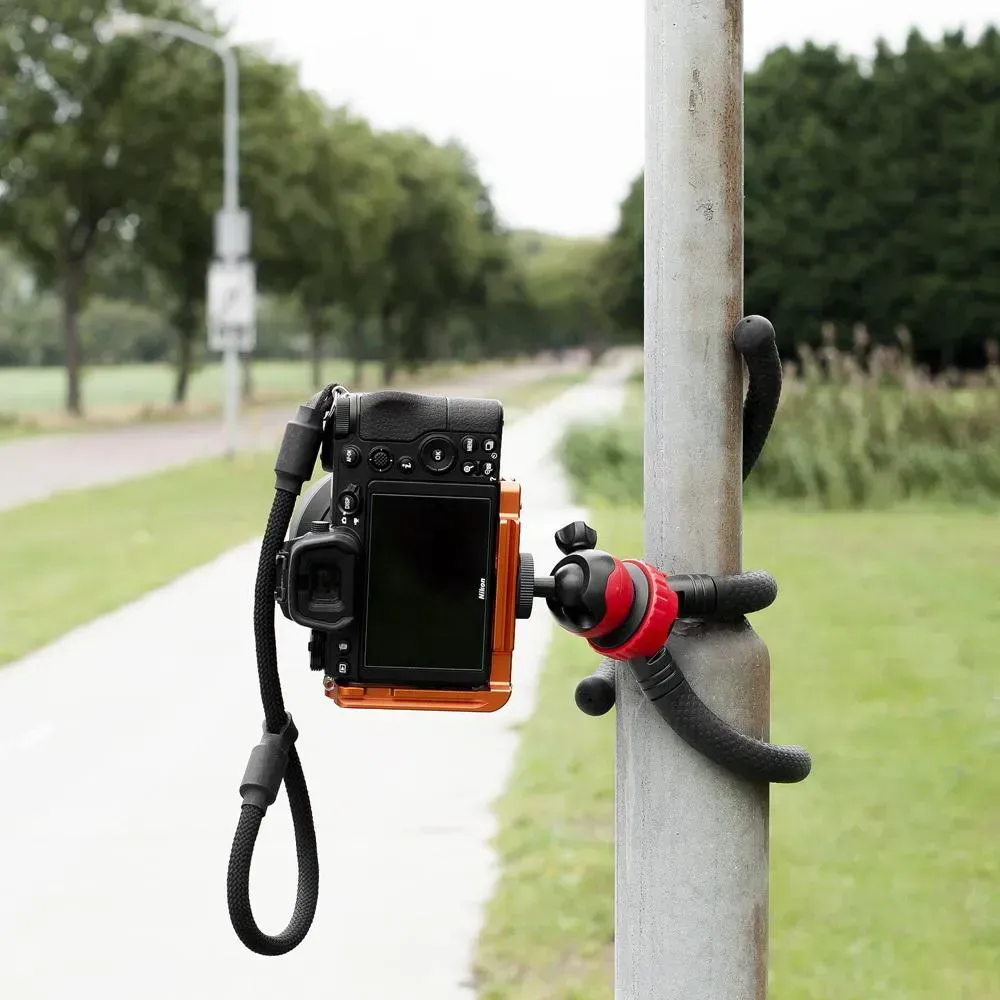
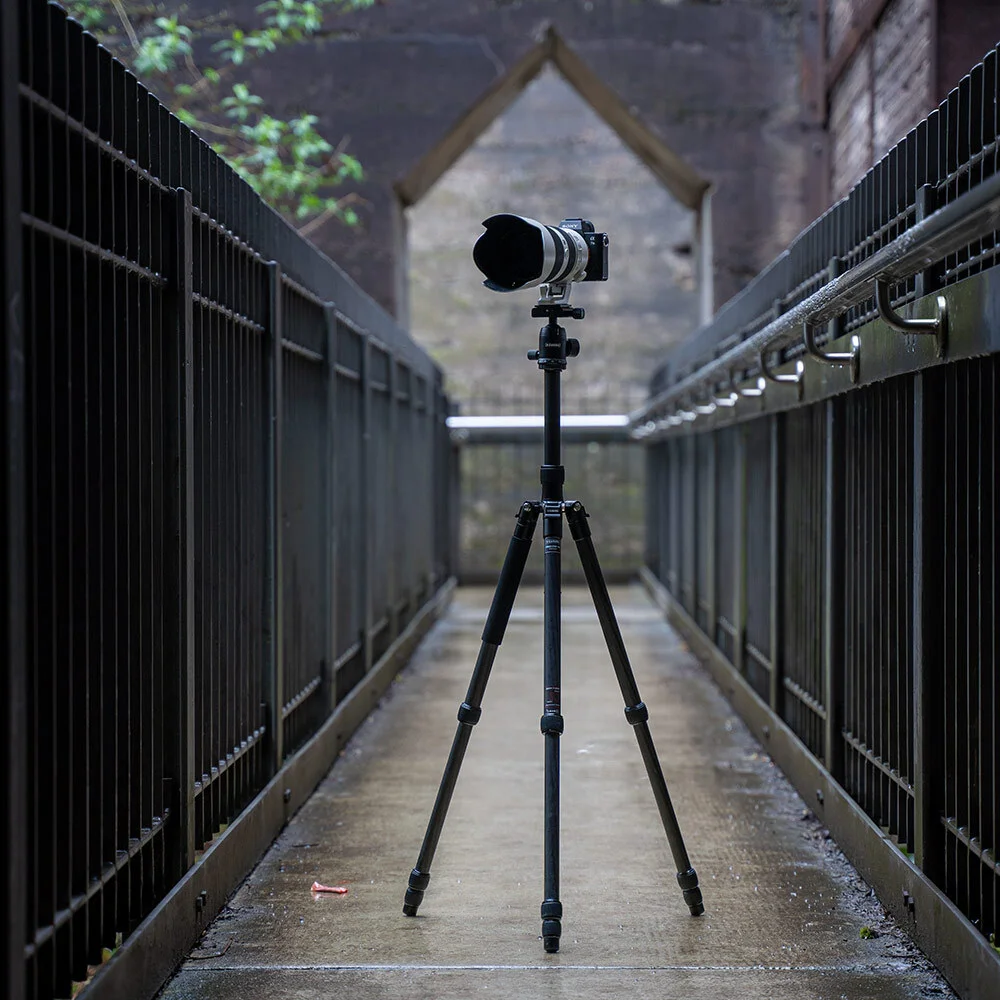
Een assortiment met ruim 1800 uiteenlopende accessoires voor fotografie en video!
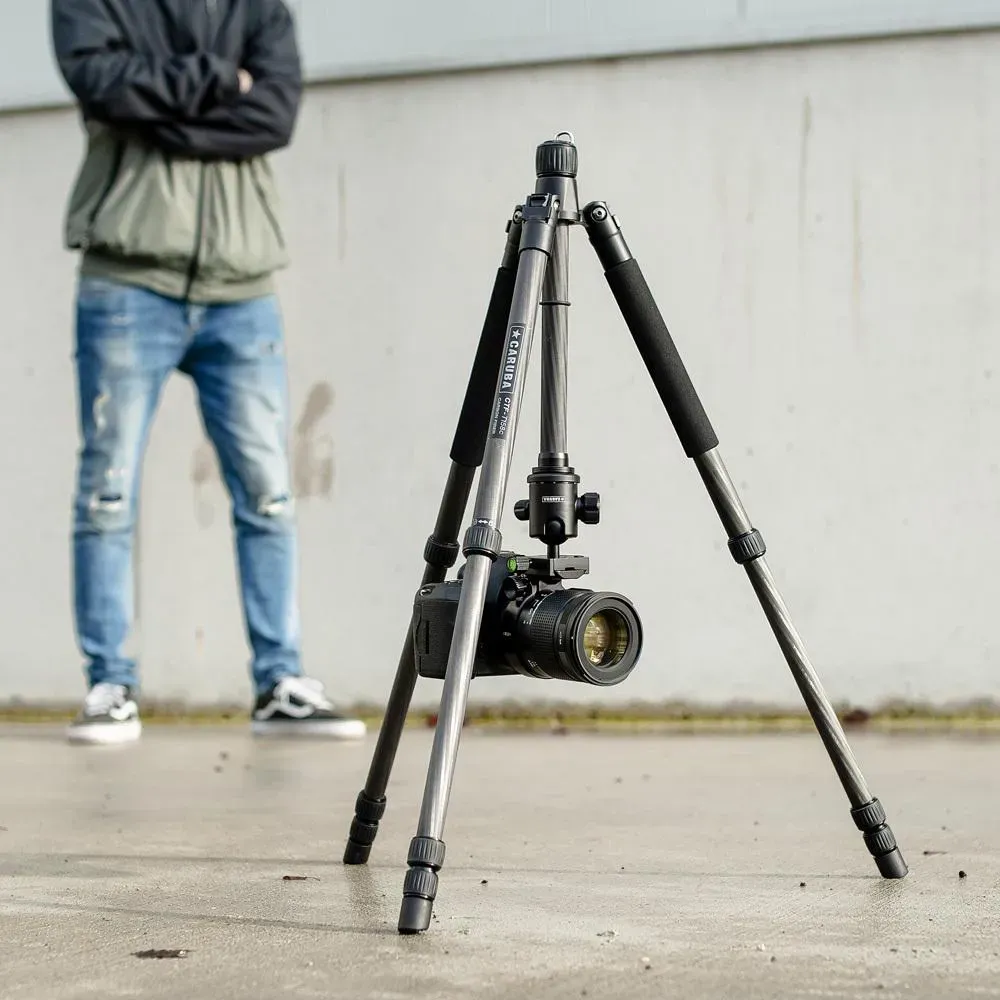
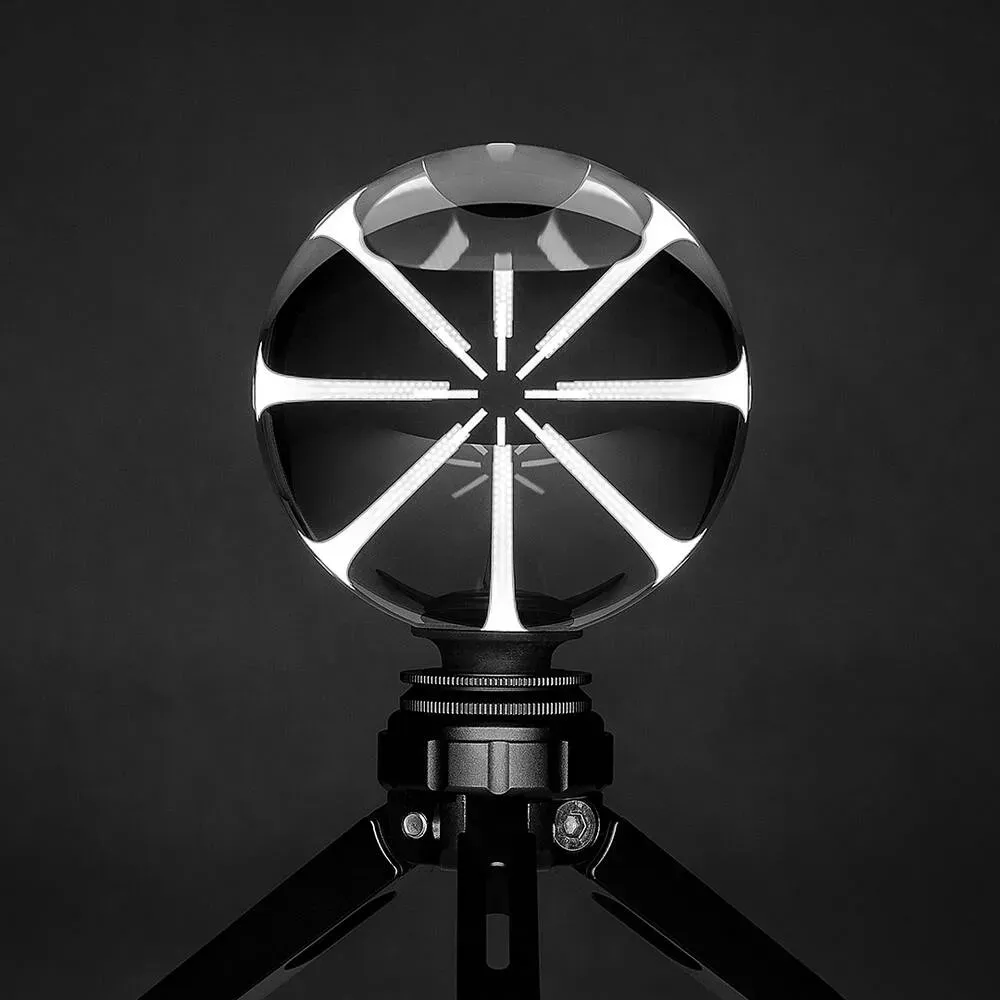
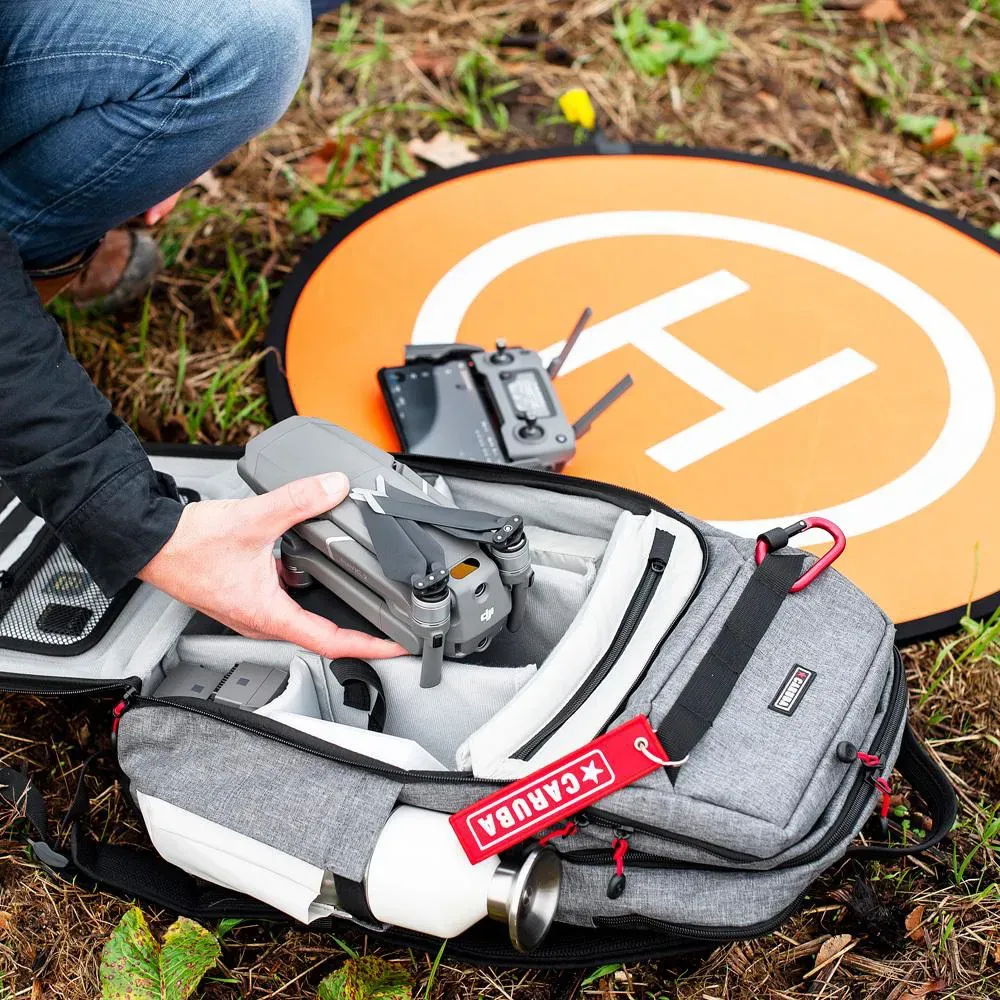
Van schroef tot de inrichting van een fotostudio.
Caruba heeft het allemaal..
Bekijk het ruime assortiment van Caruba en vind de juiste accessoires die jij zoekt.
Voor fotografen en filmmakers.
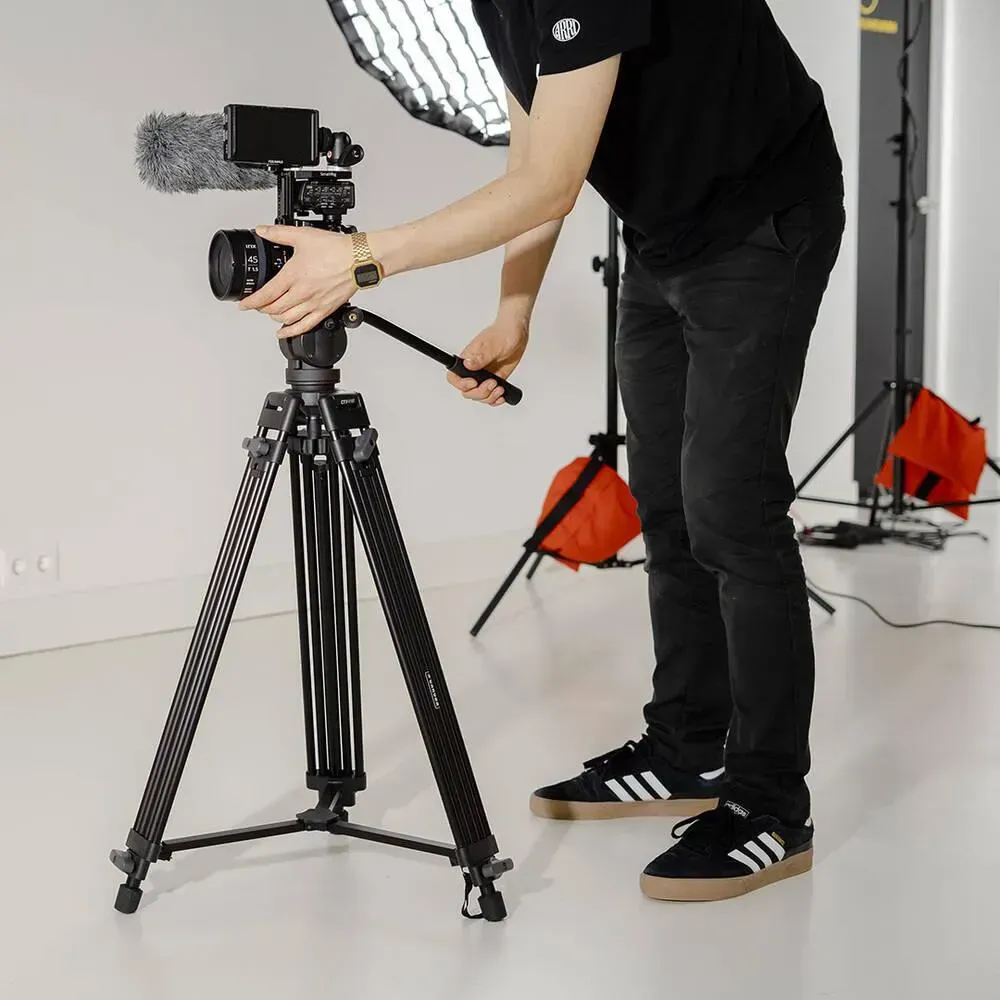
Video
Toen in november 2008 de Canon 5D markII uit kwam werd de hele videowereld op z'n kop gezet; binnen de kortste keren kon iedereen filmen met een sensor grootte van Super35mm (en nog groter!) voor het budget van een fototoestel.
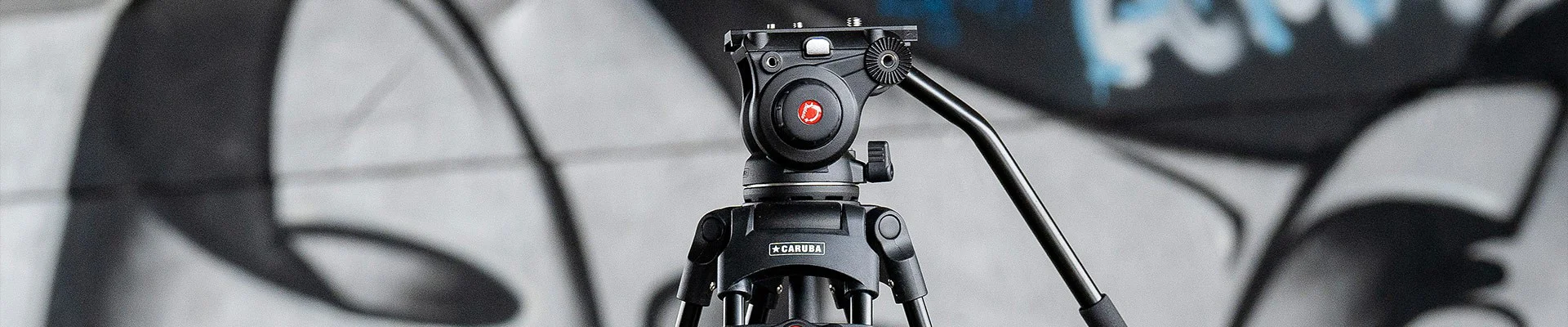
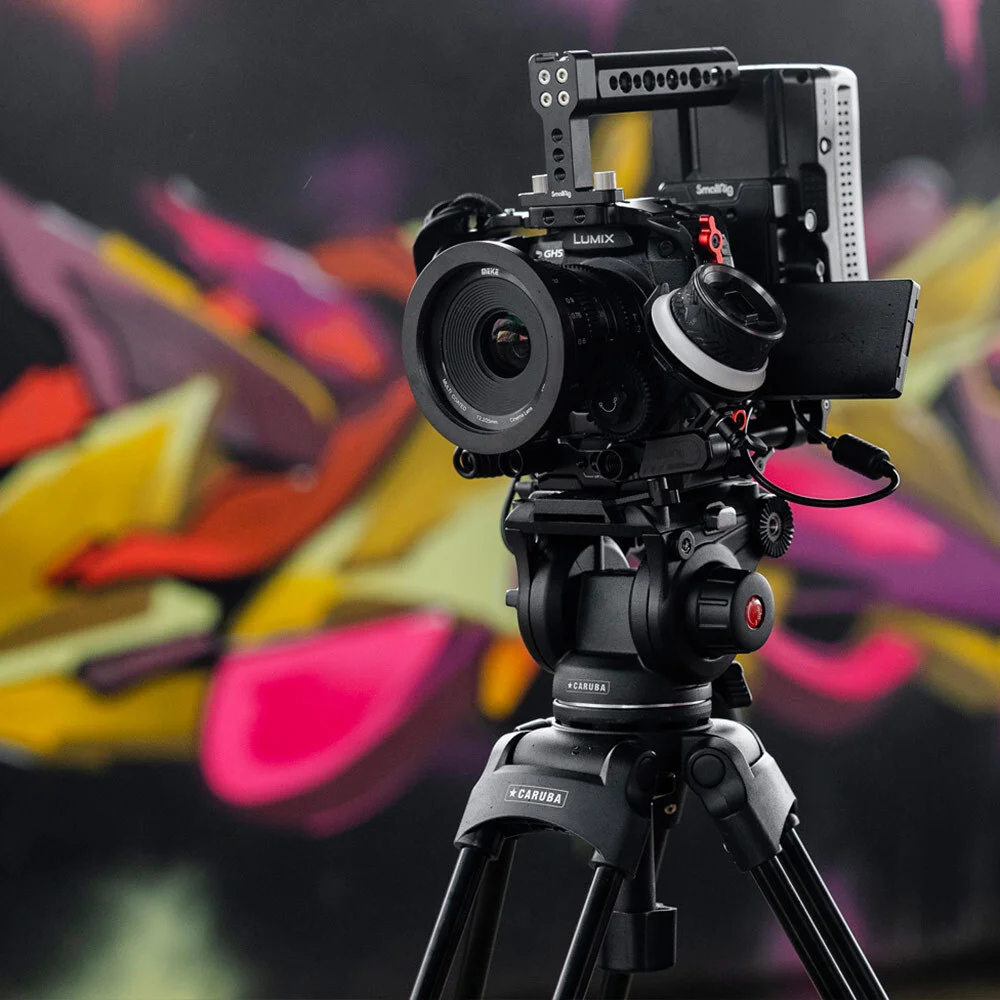
De hele markt shiftte van foto naar video, en hybride er tussen in, dus ook Caruba beweegt mee; sinds enige tijd maken wij ook de de meest handige en voorkomende video accessoires. Denk aan clappers, videostatieven, vlaggen en magic arms.
Producten overzicht
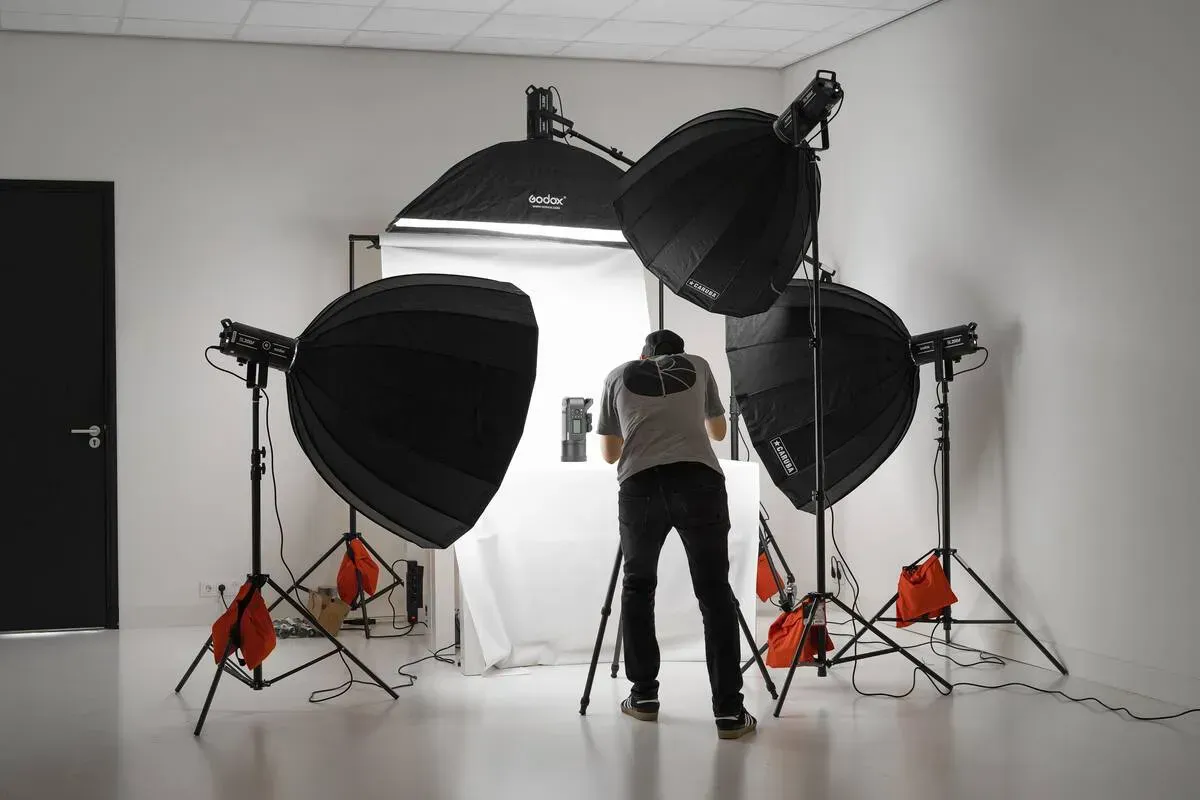
Fotografie
Caruba is begonnen met het produceren van accessoires voor fotografen; zonnekappen, statief plaatjes en clip caps. Dit werd al snel een voltallig assortiment aan studio producten, drone gear, macro ringen en portable fotostudio's.
Of je nu op zoek bent naar een vervangende 1/4" schroef voor je camera, een nieuwe eyecup, een regenhoes of een voltallige studio - Caruba heeft het allemaal!
Producten Overzicht
Betaalbare camera accessoires
Als er een ding is waar we goed in zijn, dan is dat de prijs-kwaliteitverhouding van Caruba. We zijn dan ook enorm trots dat we kwaliteitsproducten tegen betaalbare prijzen kunnen aanbieden. Wij vinden ook dat fotografie en videografie voor iedereen toegankelijk moet zijn. Iedereen die een passie heeft om mooie beelden te maken kan terecht bij Caruba. Of je nou op zoek bent naar fotostatieven, softboxen, afstandsbedieningen of schoonmaakproducten voor je camera. Je vindt het bij Caruba.
Koop je gear bij onze dealers
Caruba vind je bij selecte dealers die ons assortiment vertegenwoordigen. Je vindt een dealer bij jou in de buurt eenvoudig op onze waar te koop-pagina.